How to Remove and Reinstall a Sliding Screen Door
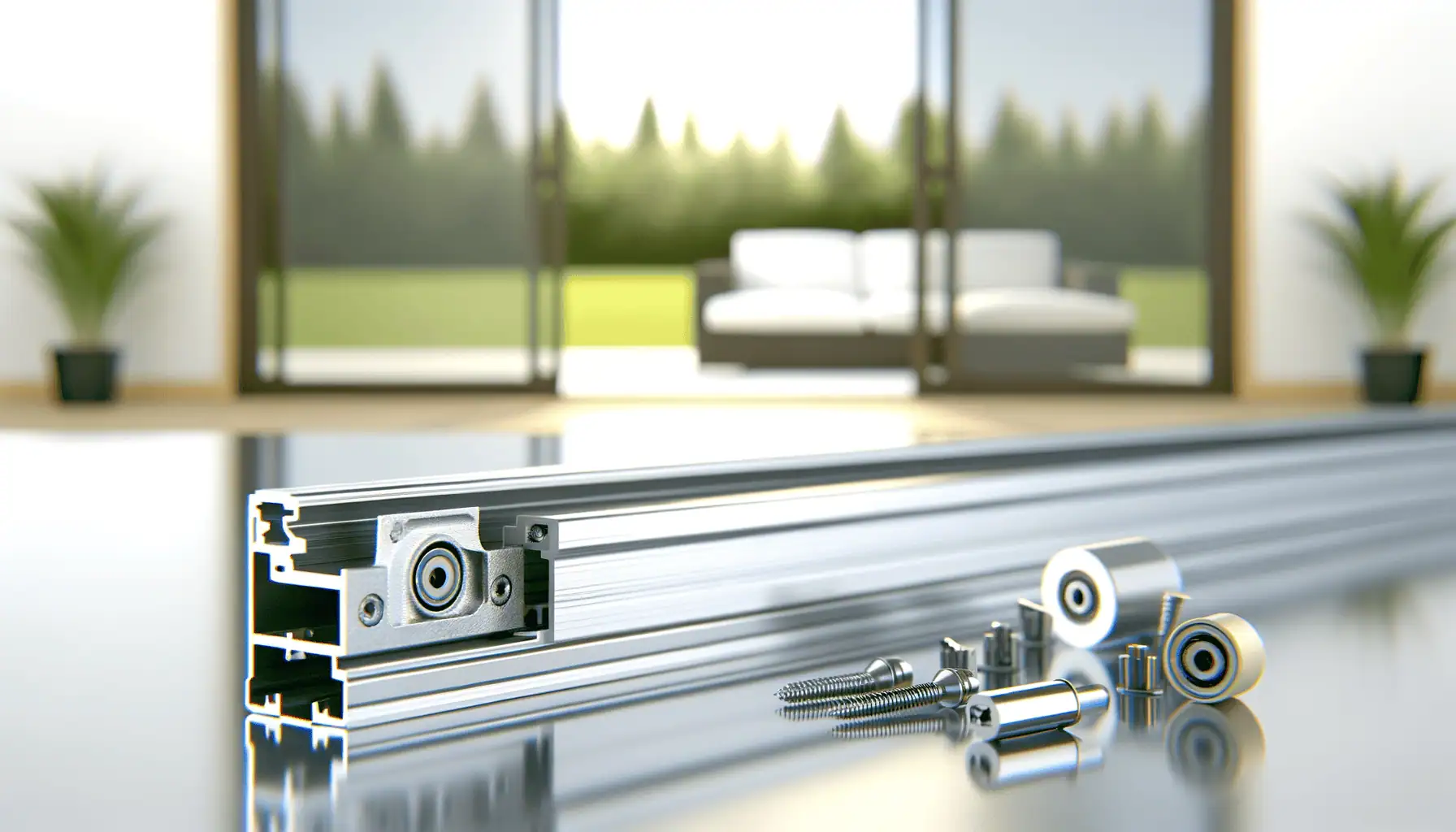
To remove and reinstall a sliding screen door, start by lifting the door off its tracks with careful upward pressure to release it from the frame. Once removed, inspect the rollers and track for any damage or debris, then align and replace the screen door in its tracks, ensuring smooth movement. This process helps maintain efficient operation and prolongs the lifespan of your sliding screen door.
Understanding Your Sliding Screen Door
A sliding screen door is a practical addition to any home, offering ventilation while keeping insects out. Understanding its components and operation can help you troubleshoot issues and perform basic maintenance. The key parts include the frame, screen mesh, rollers, and track.
Why Remove a Sliding Screen Door?
There are several reasons you might need to remove your sliding screen door. It could be for cleaning purposes, to replace or repair damaged components, or to fix issues with sticking or jumping off the track. Ensuring the door operates smoothly can enhance home efficiency by preventing drafts and maintaining security.
Step-by-Step Guide to Removing a Sliding Screen Door
Prepare Your Tools
Before starting, gather necessary tools such as a screwdriver, a putty knife, and potentially a pair of pliers. These will help you safely and efficiently remove the door.
Lift the Door Off the Track
Start by opening the door slightly to gain access to the rollers. Use a screwdriver to adjust the roller screws, which are usually located at the bottom of the door. This will retract the rollers and make it easier to lift the door. Carefully lift the door upward and tilt the bottom edge out from the track.
Inspect and Clean the Track
Once the door is removed, inspect the track for any debris or damage. Clean the track thoroughly using a vacuum or a damp cloth. If there is any damage, consider a track repair and alignment service.
Reinstalling the Sliding Screen Door
Check and Adjust the Rollers
Inspect the rollers for wear and tear. If they are damaged, you might need a roller replacement. Adjust the rollers by tightening or loosening the screws to ensure they are at the correct height for smooth operation.
Position the Door Back into the Track
To reinstall the door, align the top of the door with the track, then lift and tilt the bottom into place. Once the door is on the track, adjust the rollers again to ensure the door glides smoothly.
Preventive Maintenance Tips
Regular maintenance can prevent future issues with your sliding screen door. Regularly clean the track and check the rollers for debris. Lubricating the track with a silicone-based lubricant can also help maintain smooth operation.
Frequently Asked Questions
How do I know if my sliding screen door needs repair?
If your sliding screen door is difficult to open or close, makes unusual noises, or falls off the track, it may need repair. Inspect the rollers and track for visible damage, and consider professional services if DIY solutions do not resolve the issue.
Can I replace the screen mesh myself?
Yes, replacing the screen mesh is a manageable DIY task. Remove the screen door, take out the spline holding the mesh, and replace it with new mesh. Ensure you have the correct tools and materials for a successful replacement.
What causes a sliding screen door to jump off the track?
Several factors can cause a sliding screen door to jump off the track, including misaligned rollers, debris in the track, or a warped frame. Regular maintenance and adjustments can prevent these issues.
How often should I clean the sliding screen door track?
It’s advisable to clean the sliding screen door track at least twice a year. More frequent cleaning may be necessary if your area is prone to dust or debris. Regular cleaning prevents buildup that can hinder smooth operation.
Why is my sliding screen door making noise?
Noises from a sliding screen door typically result from dirty tracks or worn rollers. Cleaning the track and lubricating the moving parts can often resolve these issues. If noise persists, consider consulting a professional.
What type of lubricant should I use on my sliding screen door?
Use a silicone-based lubricant for sliding screen doors. It is effective for reducing friction in the track and does not attract dirt and debris like oil-based lubricants.
Conclusion
Removing and reinstalling a sliding screen door is a straightforward process that can prevent common issues such as sticking or jumping off the track. Regular maintenance, including cleaning and adjusting the rollers, ensures your sliding screen door operates smoothly and efficiently. Understanding these steps and taking preventive measures can enhance the longevity of your door and contribute to your home’s comfort and efficiency.