Energy Efficiency and Sliding Glass Doors: What Homeowners Need to Know
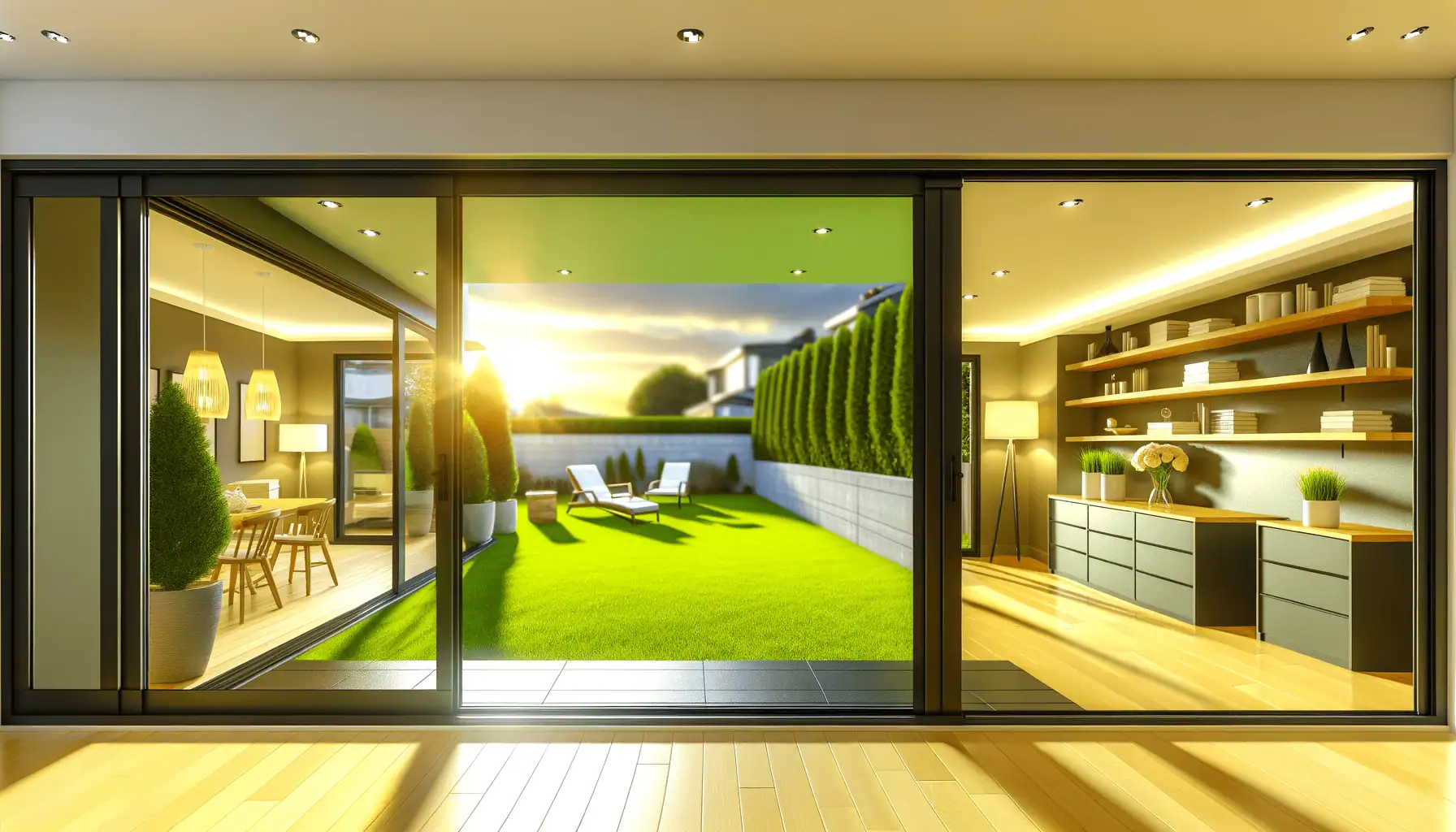
Energy efficient sliding glass doors are designed to prevent heat transfer, reducing energy costs and enhancing home comfort. By choosing the right glazing, frame material, and insulation technology, homeowners can significantly improve the energy efficiency of their sliding glass doors. Understanding these options is crucial for making informed decisions about upgrades or new installations.
Understanding Energy Efficient Sliding Glass Doors
Sliding glass doors are popular for their aesthetic appeal and ability to let in natural light. However, they can also be a significant source of energy loss if not properly designed for efficiency. To make sliding doors more energy efficient, it’s important to consider factors like glazing, frame materials, and insulation technologies.
Glazing Options for Energy Efficiency
Glazing refers to the glass used in sliding doors. Energy efficient sliding glass doors often feature double or triple glazing to improve insulation. These multiple layers of glass create air pockets that reduce heat transfer.
Double vs. Triple Glazing
Double glazing consists of two panes of glass with a spacer in between, while triple glazing includes three panes. Triple glazing offers better insulation but can be more expensive. For most climates, double glazing provides a good balance between cost and energy savings.
Frame Materials and Their Impact
The frame material is another critical component affecting a sliding door’s energy efficiency. Common materials include aluminum, vinyl, and wood. Each has its advantages and drawbacks regarding insulation and durability.
Aluminum vs. Vinyl Frames
Aluminum frames are durable but can conduct heat, making them less energy efficient than other materials. Vinyl frames, on the other hand, offer excellent insulation properties and are highly energy efficient. For more insights on choosing between these materials, check out our article on Aluminum vs. Vinyl Sliding Doors: Which Is Better for Your Home?
Insulation Technologies
Modern sliding glass doors may incorporate advanced insulation technologies to enhance energy efficiency. These include low-emissivity (Low-E) coatings and gas fills.
Low-E Coatings
Low-E coatings are thin layers applied to the glass surface to reflect heat while allowing light to pass through. This technology reduces the amount of heat entering or leaving the home, thereby improving energy efficiency.
Gas Fills
Filling the space between glass panes with inert gases like argon or krypton increases insulation compared to air. These gases are denser, reducing heat transfer and improving the overall U-factor of the door.
| Feature | Double Glazing | Triple Glazing | Vinyl Frame | Aluminum Frame |
|---|---|---|---|---|
| Insulation | Good | Better | Excellent | Moderate |
| Cost | Moderate | High | Moderate | Low |
| Durability | High | High | High | Very High |
| Maintenance | Low | Low | Low | Low |
| Aesthetic Options | Varied | Varied | Varied | Limited |
Enhancing Energy Efficiency with Installation and Maintenance
Proper installation and regular maintenance are vital for maximizing the energy efficiency of sliding glass doors. Poor installation can lead to drafts and energy loss, while maintenance ensures that seals and frames remain in good condition.
For expert installation, consider our Sliding Door Installation services. Regular maintenance, such as roller replacement and track repair and alignment, can also keep your doors functioning efficiently.
Frequently Asked Questions
What makes a sliding glass door energy efficient?
An energy efficient sliding glass door minimizes heat transfer through features like double or triple glazing, Low-E coatings, and insulated frames. These elements work together to reduce energy costs and maintain a comfortable indoor temperature.
How much can I save on energy bills with energy efficient sliding glass doors?
The savings from energy efficient sliding glass doors can vary based on factors such as climate, the specific features of the door, and the home’s overall energy efficiency. On average, homeowners may see a reduction in energy bills by 10-25% after upgrading to energy efficient doors.
Are vinyl frames better than aluminum for energy efficiency?
Yes, vinyl frames are generally better than aluminum frames for energy efficiency because they provide superior insulation. Aluminum is strong and durable but conducts heat more easily, which can lead to higher energy costs.
Can I retrofit my existing sliding glass doors for better energy efficiency?
Yes, existing sliding glass doors can often be retrofitted for better energy efficiency. This can include adding or upgrading glazing, applying Low-E coatings, or installing new frames. For specific solutions, consulting with a professional service like ours is recommended.
What is Low-E glass, and why is it important?
Low-E, or low-emissivity, glass has a special coating that reflects infrared light, keeping heat inside in the winter and outside in the summer. This reduces energy costs and contributes to a more comfortable indoor environment.
Is triple glazing worth the additional cost?
Triple glazing can be worth the cost in areas with extreme temperatures, as it provides superior insulation compared to double glazing. However, the added expense may not be justified in milder climates. An energy audit can help determine the best option for your home.
How can I tell if my sliding glass door is energy efficient?
Energy efficient sliding glass doors typically have a label from organizations like ENERGY STAR, indicating they meet certain performance criteria. You can also inspect for features like double or triple glazing and Low-E coatings to assess energy efficiency.
What maintenance is required to keep my sliding glass doors energy efficient?
Regular maintenance such as cleaning the tracks, lubricating the rollers, and checking the seals can help maintain the energy efficiency of sliding glass doors. Repairing or replacing sliding doors with damaged components promptly is also essential for optimal performance.
Should I consider gas fills in my sliding door glazing?
Gas fills, such as argon or krypton, are beneficial for improving insulation in double or triple glazed doors. These gases are denser than air, providing better thermal resistance and reducing heat transfer, making them a worthwhile consideration.
What should I look for in a contractor for sliding glass door installation?
When choosing a contractor for sliding glass door installation, look for experience, positive customer reviews, and a commitment to energy efficiency. A professional company like Sliding Door Now can ensure a quality installation that maximizes energy savings.
Conclusion
Energy efficient sliding glass doors are a smart investment for homeowners looking to reduce energy costs and enhance home comfort. By understanding and selecting the right glazing, frame materials, and insulation technologies, you can make informed decisions for your home. Additionally, proper installation and regular maintenance are key to maximizing the benefits of these doors. For further guidance, exploring our range of services can provide additional support.