DIY Sliding Door Repair vs. Hiring a Professional: When to Call for Help
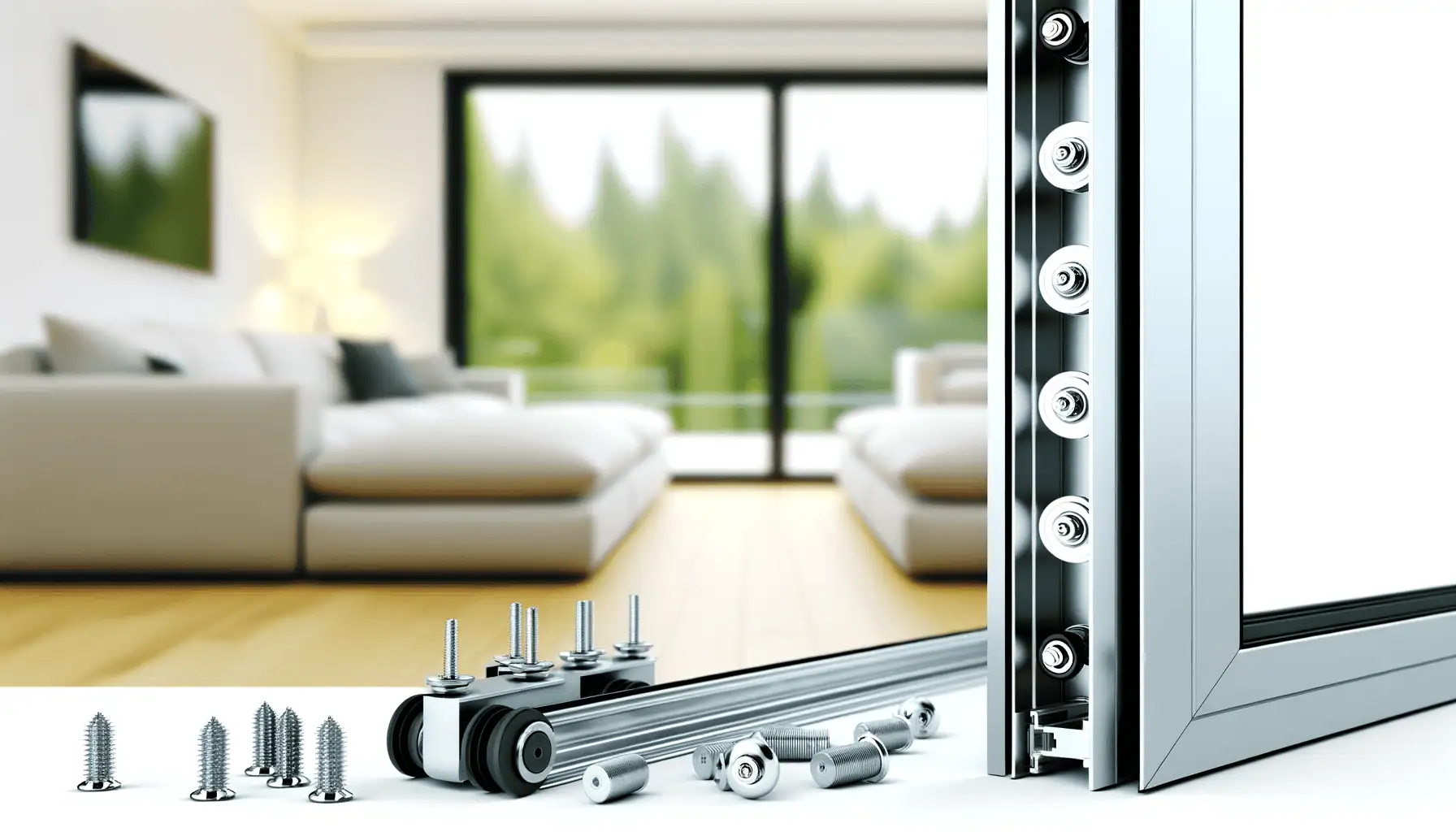
Deciding between DIY sliding door repair and hiring a professional depends on the complexity of the issue, your skill level, and the time you can invest. Simple fixes like cleaning tracks or replacing rollers can often be done by homeowners, while more complex repairs such as aligning tracks or fixing glass panels typically require professional expertise. Understanding these distinctions can help you save time and money by choosing the right approach for your sliding door problems.
Understanding DIY Sliding Door Repair
DIY sliding door repair can be a rewarding task for homeowners who enjoy hands-on projects. However, it’s essential to assess your skills and the specific problem you’re facing before diving in. Common DIY tasks include cleaning the tracks, lubricating rollers, and replacing handles or locks. For these tasks, you usually need basic tools like screwdrivers, pliers, and lubricants.
For more information on common sliding door problems and their solutions, consider reading our article on why your sliding glass door might be hard to open.
When to Consider Professional Sliding Door Repair
There are instances where professional help is more appropriate. Complex issues such as track misalignment, broken glass, or severe roller damage often require the skills of a trained technician. Professionals not only have the expertise but also the right tools to ensure the job is done correctly and efficiently.
For instance, our track repair and alignment services offer precise adjustments that can prolong the life of your sliding door.
Cost and Benefits Comparison: DIY vs. Professional
| Factor | DIY Sliding Door Repair | Professional Repair |
|---|---|---|
| Cost | Low, mostly tool and material costs | Higher, includes labor charges |
| Time | Variable, depends on skill level | Minimal, professionals are efficient |
| Tools Required | Basic household tools | Specialized tools and equipment |
| Quality of Repair | Varies, dependent on skill | High, guaranteed results |
| Warranty | None | Often provided |
Common DIY Sliding Door Repairs
Let’s explore some common sliding door issues that can often be resolved without professional help. Cleaning and lubricating the tracks is one of the simplest tasks and can significantly improve door function. Replacing damaged rollers is another task that many homeowners can handle with the right guidance.
For step-by-step instructions on dealing with a grinding noise from your sliding door, check out our guide on why your sliding door sounds like a train wreck.
Risks of Improper DIY Sliding Door Repair
While DIY repairs can be cost-effective, there are risks involved. Incorrect repairs can lead to further damage, such as misaligned tracks or ineffective seals, which can cause energy loss or security issues. It’s crucial to recognize when a task is beyond your expertise to avoid unnecessary complications.
If you’re unsure whether to repair or replace your sliding door, you might find our article on repair vs. replacement helpful.
Frequently Asked Questions
How do I know if my sliding door needs professional repair?
If your sliding door has persistent issues even after a DIY attempt, such as sticking, making unusual noises, or having visible damage to the glass or frame, it’s time to consider professional help. Professionals can diagnose underlying problems and provide lasting solutions.
Is it cheaper to repair or replace a sliding door?
Repairing a sliding door is often more cost-effective than replacing it, especially if the issues are minor. However, if the door is old or severely damaged, replacement might be more economical in the long run. Consider the extent of the damage and the cost of repairs versus a new door.
Can I replace sliding door rollers myself?
Yes, replacing sliding door rollers is a common DIY task. You’ll need to remove the door from its frame, which may require a second person for safety. Once removed, you can access and replace the rollers. Ensure you have the correct replacement parts for a smooth operation.
What are some signs that my sliding door track is misaligned?
Signs of track misalignment include difficulty opening or closing the door, visible gaps between the door and frame, and uneven movement. If you notice these signs, it’s advisable to either attempt realignment yourself or consult a professional for complex adjustments.
How often should I maintain my sliding door?
Regular maintenance can prolong the life of your sliding door. Clean the tracks and lubricate the rollers every few months to ensure smooth operation. Additionally, inspect the door for any signs of wear or damage periodically to address issues promptly.
What should I do if my sliding door glass is broken?
For safety reasons, broken sliding door glass should be handled by a professional. They can safely remove and replace the glass, ensuring the job is done correctly and avoiding potential hazards associated with broken glass.
Why is my sliding door making a squeaking noise?
A squeaking noise usually indicates that the door’s rollers or track need lubrication. Clean the tracks and apply a silicone-based lubricant to the rollers. If the noise persists, inspect the rollers for damage and consider replacing them if necessary.
Conclusion
Deciding between DIY sliding door repair and hiring a professional largely depends on the complexity of the issue and your comfort level with repairs. Simple tasks can often be handled at home, saving money and providing a sense of accomplishment. However, for more challenging problems or to ensure high-quality repairs, professional services are recommended. By assessing the situation carefully, you can make an informed decision that balances cost, time, and expertise.